Thursday, June 07, 2007

Friday, May 25, 2007
THE XAROL
The Lorax
By: Dr. Seuss
 At the far end of town
where the Grickle-grass grows
and the wind smells slow-and-sour when it blows
and no birds ever sing excepting old crows...
is the Street of the Lifted Lorax.
And deep in the Grickle-grass, some people say,
if you look deep enough you can still see, today,
where the Lorax once stood
just as long as it could
before somebody lifted the Lorax away.
What was the Lorax?
Any why was it there?
And why was it lifted and taken somewhere
from the far end of town where the Grickle-grass grows?
The old Once-ler still lives here.
Ask him. He knows.
You won't see the Once-ler.
Don't knock at his door.
He stays in his Lerkim on top of his store.
He stays in his Lerkim, cold under the roor,
where he makes his own clothes
out of miff-muffered moof.
And on special dank midnights in August,
he peeks out of the shutters
and sometimes he speaks
and tells how the Lorax was lifted away.
He'll tell you, perhaps...
if you're willing to pay.
On the end of a rope
he lets down a tin pail
and you have to toss in fifteen cents
and a nail
and the shell of a great-great-great-
grandfather snail.
Then he pulls up the pail,
makes a most careful count
to see if you've paid him
the proper amount.
Then he hides what you paid him
away in his Snuvv,
his secret strange hole
in his gruvvulous glove.
Then he grunts, I will call you by Whisper-ma-Phone,
for the secrets I tell you are for your ears alone.
SLUPP
Down slupps the Whisper-ma-Phone to your ear
and the old Once-ler's whispers are not very clear,
since they have to come down
through a snergelly hose,
and he sounds as if he had
smallish bees up his nose.
Now I'll tell you, he says, with his teeth sounding gray,
how the Lorax got lifted and taken away...
It all started way back...
such a long, long time back...
Way back in the days when the grass was still green
and the pond was still wet
and the clouds were still clean,
and the song of the Swomee-Swans rang out in space...
one morning, I came to this glorious place.
And I first saw the trees!
The Truffula Trees!
The bright-colored tufts of the Truffula Trees!
Mile after mile in the fresh morning breeze.
And under the trees, I saw Brown Bar-ba-loots
frisking about in their Bar-ba-loot suits
as the played in the shade and ate Truffula Fruits.
From the rippulous pond
came the comfortable sound
of the Humming-Fish humming
while splashing around.
But those trees! Those trees!
Those Truffula Trees!
All my life I'd been searching
for trees such as these.
The touch of their tufts
was much softer than silk.
And they had the sweet smell
of fresh butterfly milk.
I felt a great leaping
of joy in my heart.
I knew just what I'd do!
I unloaded my cart.
In no time at all, I had built a small shop.
Then I chopped down a Truffula Tree with one chop.
And with great skillful skill and with great speedy speed,
I took the soft tuft. And I knitted a Thneed!
The instand I'd finished, I heard a ga-Zump!
I looked.
I saw something pop out of the stump
of the tree I'd chopped down. It was sort of a man.
Describe him?...That's hard. I don't know if I can.
He was shortish. And oldish.
And brownish. And mossy.
And he spoke with a voice
that was sharpish and bossy.
Mister! he said with a sawdusty sneeze,
I am the Lorax. I speak for the trees.
I speak for the trees, for the trees have no tongues.
And I'm asking you, sir, at the top of my lungs--
he was very upset as he shouted and puffed--
What's that THING you've made out of my Truffula tuft?
Look, Lorax, I said. There's no cause for alarm.
I chopped just one tree. I am doing no harm.
I'm being quite useful. This thing is a Thneed.
A Thneed's a Fine-Something-That-All-People-Need!
It«s a shirt. It's a sock. It's a glove. It's a hat.
But it has other uses. Yes, far beyond that.
You can use it for carpets. For pillows! For sheets!
Or curtains! Or covers for bicycle seats!
The Lorax said,
Sir! You are crazy with greed.
There is no one on earth
who would buy that fool Thneed!
But the very next minute I proved he was wrong.
For, just at that minute, a chap came along,
and he thought that the Thneed I had knitted was great.
He happily bought it for three ninety-eight.
I laughed at the Lorax, You poor stupid guy!
You never can tell what some people will buy.
I repeat, cried the Lorax,
I speak for the trees!
I'm busy, I told him.
Shut up, if you please.
I rushed 'cross the room, and in no time at all,
built a radio-phone. I put in a quick call.
I called all my brothers and uncles and aunts
and I said, Listen here! Here's a wonderful chance
for the whole Once-ler Family to get mighty rich!
Get over here fast! Take the road to North Nitch.
Turn left at Weehawken. Sharp right at South Stich.
And, in no time at all,
in the factory I built,
the whole Once-ler Family
was working full tilt.
We were all knitting Thneeds
just as busy as bees,
to the sound of the chopping
of Truffula Trees.
Then...
Oh! Baby! Oh!
How my business did grow!
Now, chopping one tree
at a time was too slow.
So I quickly invented my Super-Axe-Hacker
which whacked off four Truffula Trees at one smacker.
We were making Thneeds
four times as fast as before!
And that Lorax?... He didn't show up any more.
But the next week
he knocked on my new office door.
He snapped, I'm the Lorax who speaks for the trees
which you seem to be chopping as fast as you please.
But I'm also in charge of the Brown Bar-ba-loots
who played in the shade in their Bar-ba-loot suits
and happily lived, eating Truffula Fruits.
NOW...thanks to your hacking my trees to the ground,
there's not enough Truffula Fruit to go 'round.
And my poor Bar-ba-loots are all getting the crummies
because they have gas, and no food, in their tummies!
They loved living here. But I can't let them stay.
They'll have to find food. And I hope that they may.
Good luck, boys, he cried. And he sent them away.
I, the Once-ler, felt sad
as I watched them all go.
BUT...
business is business!
And business must grow
regardless of crummies in tummies, you know.
I meant no harm. I most truly did not.
But I had to grow bigger. So bigger I got.
I biggered my factory. I biggered my roads.
I biggered my wagons. I biggered the loads
of the Thneeds I shipped out. I was shipping them forth
to the South! To the East! To the West! To the North!
I went right on biggering...selling more Thneeds.
And I biggered my money, which everyone needs.
Then again he came back! I was fixing some pipes
when that old nuisance Lorax came back with more gripes.
I am the Lorax, he coughed and he whiffed.
He sneezed and he snuffled. He snarggled. He sniffed.
Once-ler! he cried with a cruffulous croak.
Once-ler! You're making such smogulous smoke!
My poor Swomee-Swans...why, they can't sing a note!
No one can sing who has smog in his throat.
And so, said the Lorax,
--please pardon my cough--
they cannot live here.
So I'm sending them off.
Where will they go?...
I don't hopefully know.
They may have to fly for a month...or a year...
To escape from the smog you've smogged-up around here.
What's more, snapped the Lorax. (His dander was up.)
Let me say a few words about Gluppity-Glupp.
Your machinery chugs on, day and night without stop
making Gluppity-Glup. Also Schloppity-Schlopp.
And what do you do with this leftover goo?...
I'll show you. You dirty old Once-ler man, you!
 You're glumping the pond where the Humming-Fish hummed!
No more can they hum, for their gills are all gummed.
So I'm sending them off. Oh, their future is dreary.
They'll walk on their fins and get woefully weary
in search of some water that isn't so smeary.
And then I got mad.
I got terribly mad.
I yelled at the Lorax, Now listen here, Dad!
All you do is yap-yap and say, Bad! Bad! Bad! Bad!
Well, I have my rights, sir, and I'm telling you
I intend to go on doing just what I do!
And, for your information, you Lorax, I'm figgering
on biggering
and Biggering
and BIGGERING
and BIGGERING!!
turning MORE Truffula Trees into Thneeds
which everyone, EVERYONE, EVERYONE needs!
And at that very moment, we heard a loud whack!
From outside in the fields came a sickening smack
af an axe on a tree. Then we heard the tree fall.
The very last Truffula Tree of them all!
No more trees. No more Thneeds. No more work to be done.
So, in no time, my uncles and aunts, every one,
all waved my good-bye. They jumped into my cars
and drove away under the smoke-smuggered stars.
Now all that was left 'neath the bad-smelling sky
was my big empty factory...
the Lorax...
and I.
The Lorax said nothing. Just gave me a glance...
just gave me a very sad, sad backward glance...
as he lifted himself by the seat of his pants.
And I'll never forget the grim look on his face
when he hoisted himself and took leave of this place,
through a hole in the smog, without leaving a trace.
And all that the Lorax left here in this mess
was a small pile of rocks, with one word...
UNLESS.
Whatever that meant, well, I just couldn't guess.
That was long, long ago.
But each day since that day
I've sat here and worried
and worried away.
Through the years, while my buildings
have fallen apart,
I've worried about it
with all of my heart.
But now, says the Once-ler,
Now that you're here,
the word of the Lorax seems perfectly clear.
UNLESS someone like you
cares a whole awful lot,
nothing is going to get better.
It's not.
SO...
Catch! calls the Once-ler.
He lets something fall.
It's a Truffula Seed.
It's the last one of all!
You're in charge of the last of the Truffula Seeds.
And Truffula Trees are what everyone needs.
Plant a new Truffula. Treat it with care.
Give it clean water. And feed it fresh air.
Grow a forest. Protect it from axes that hack.
Then the Lorax
and all of his friends
may come back.

Home | About Us | Tree Board | Tree Ordinance
Street Tree Plan | Market Square | Krutch Park
Favorite Links | Tree Poetry | Email
Wednesday, May 23, 2007


Monday, June 12, 2006
The Mountains and Waters Sutra. Dogen
A Selection from Dogen's Mountains and Waters Sutra...
It is not the case simply that there is water in the world; within the world of water there is a world. And this is true not only within water: within clouds as well there is world of sentient beings; within wind there is world of sentient beings; within fire there is world of sentient beings; within earth there is world of sentient beings. Within the dharma realm there is a world of sentient beings; within a single blade of grass there is world of sentient beings; within a single staff there is a world of sentient beings. And wherever there is a world of sentient beings, there, inevitably, is the world of buddhas and ancestors. The reason this so, we should study very carefully.
In this way, water is the palace of the "true dragon"; it is not flowing away.18 If we regard it only as flowing, the word "flowing" is an insult to water: it is like imposing "not flowing". Water is nothing but water's "real form just as it is". Water is the virtue of water; it is not flowing. In the thorough study of the flowing or the not-flowing of a single [drop of] water, the entirety of the ten thousand things is instantly realized. Among mountains as well, there are mountains hidden in jewels; there are mountains hidden in marshes, mountains hidden in the sky; there are mountains hidden in mountains. There is a study of mountains hidden in hiddenness.
An old buddha has said, "Mountains are mountains and waters are waters."
It is not the case simply that there is water in the world; within the world of water there is a world. And this is true not only within water: within clouds as well there is world of sentient beings; within wind there is world of sentient beings; within fire there is world of sentient beings; within earth there is world of sentient beings. Within the dharma realm there is a world of sentient beings; within a single blade of grass there is world of sentient beings; within a single staff there is a world of sentient beings. And wherever there is a world of sentient beings, there, inevitably, is the world of buddhas and ancestors. The reason this so, we should study very carefully.
In this way, water is the palace of the "true dragon"; it is not flowing away.18 If we regard it only as flowing, the word "flowing" is an insult to water: it is like imposing "not flowing". Water is nothing but water's "real form just as it is". Water is the virtue of water; it is not flowing. In the thorough study of the flowing or the not-flowing of a single [drop of] water, the entirety of the ten thousand things is instantly realized. Among mountains as well, there are mountains hidden in jewels; there are mountains hidden in marshes, mountains hidden in the sky; there are mountains hidden in mountains. There is a study of mountains hidden in hiddenness.
An old buddha has said, "Mountains are mountains and waters are waters."
Monday, May 29, 2006

Wednesday, May 03, 2006
A THOUSAND REGIONS
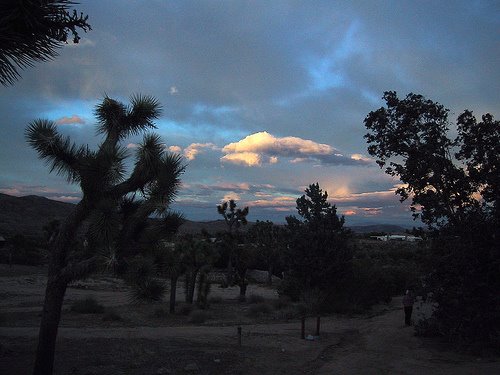
Direct your eye right inward, and you'll find
A thousand regions in your mind
Yet undiscovered. Travel them and be
Expert in home-cosmography.
Thoreau, Walden
Sunday, March 26, 2006


Friday, March 10, 2006
Change
Before enlightenment,
I chopped wood and carried water.
After enlightenment,
I chopped wood and carried water.
Zen saying
I chopped wood and carried water.
After enlightenment,
I chopped wood and carried water.
Zen saying
Wednesday, March 08, 2006
SAVARY

I am on
an island
I see islands
clear
or as muted shapes
through haze
and water so flat
to walk across
seems possible
here we are
surrounded
by ourselves
the sea
and the house
residence
in pieces of ourselves.
This place
has become my mouth
the light swarms
through the forest
to the beach
under the guise of words.
Days are longer
than we know
and the nights are
trees and wind.
Stars and satellites orbit us
oblige us into sight.
My children ask
about he silence
their eyes search for it
their mouths hang open
in expectation.
Nothing announces night.
Two days rain
and thundered winds
we are surrounded
by growth in sway
our stay
a cycle of moons
not enough to know
if this is a year
of seaweed and rocks
or jellyfish and beach glass.
Pebbles go
into making sleep
set in wax
to wick up hours
much like
the burning moth
oriflamme arrangement
fingers and imagination.
We climb
over each other
to reach
the summit
but it remains
a journal scrawl
from which
we have been distracted
and now must look
elsewhere.
The currents of import
spring from
another space
another ground
where digging is
unnecessary
all we can do is
look
in each other’s
direction.
Tuesday, January 17, 2006
The DEEP ECOLOGY Platform
1) The well-being and flourishing of human and nonhuman life on Earth have value in themselves (synonyms: inherent worth; intrinsic value; inherent value). These values are independent of the usefulness of the nonhuman world for human purposes.
2) Richness and diversity of life forms contribute to the realization of these values and are also values in themselves.
3) Humans have no right to reduce this richness and diversity except to satisfy vital needs.
4) Present human interference with the nonhuman world is excessive, and the situation is rapidly worsening.
5) The flourishing of human life and cultures is compatible with a substantial decrease of the human population. The flourishing of nonhuman life requires such a decrease.
6) Policies must therefore be changed. The changes in policies affect basic economic, technological structures. The resulting state of affairs will be deeply different from the present.
7) The ideological change is mainly that of appreciating life quality (dwelling in situations of inherent worth) rather than adhering to an increasingly higher standard of living. There will be a profound awareness of the difference between big and great.
8) Those who subscribe to the foregoing points have an obligation directly or indirectly to participate in the attempt to implement the necessary changes.
-- Arne Naess and George Sessions --
from the Deep Ecology website...click on Title to connect
2) Richness and diversity of life forms contribute to the realization of these values and are also values in themselves.
3) Humans have no right to reduce this richness and diversity except to satisfy vital needs.
4) Present human interference with the nonhuman world is excessive, and the situation is rapidly worsening.
5) The flourishing of human life and cultures is compatible with a substantial decrease of the human population. The flourishing of nonhuman life requires such a decrease.
6) Policies must therefore be changed. The changes in policies affect basic economic, technological structures. The resulting state of affairs will be deeply different from the present.
7) The ideological change is mainly that of appreciating life quality (dwelling in situations of inherent worth) rather than adhering to an increasingly higher standard of living. There will be a profound awareness of the difference between big and great.
8) Those who subscribe to the foregoing points have an obligation directly or indirectly to participate in the attempt to implement the necessary changes.
-- Arne Naess and George Sessions --
from the Deep Ecology website...click on Title to connect
Sunday, January 15, 2006
A Thousand Regions
Direct your eye right inward, and you'll find
A thousand regions in your mind
Yet undiscovered. Travel them and be
Expert in home-cosmography.
Thoreau, Walden
A thousand regions in your mind
Yet undiscovered. Travel them and be
Expert in home-cosmography.
Thoreau, Walden
Saturday, January 14, 2006
Lato Selvatico e l'Ambientalismo Americano
Wilderness: Il "lato selvatico" e non conformista americano
di Zarelli Eduardo [28/12/2005]
Fonte: Arianna Editrice
Vi è un fiume carsico che collega il pensiero ecologista americano al ruolo profetico permanente nella storia degli Stati Uniti: quello di chi pensa, pratica e ripropone la buona custodia della terra (steawardship) come componente essenziale della libertà umana e della giustizia sociale. Dalle virtù civiche di Thomas Jefferson al “trascendentalismo” di Emerson ed Henry D. Thoreau, dal naturalisimo pionieristico di John Muir al conservazionismo di Aldo Leopold, c’è parte del retroterra culturale a cui attingono le “virtù rurali” di Wendel Berry; il bioregionalismo di Peter Berg e di Kirkpatrick Sale; il ritorno alla selvaticità (wildersness) di Gary Snyder; il “paradigma olista” di Fritjof Capra e di Gregory Bateson. Forse la vastità e la profonda bellezza dei paesaggi unite alla saggezza della cultura pellerossa, hanno insinuato fin dalle origini nello spirito americano - prometeica esaltazione della modernità conquistatrice di un “eterno” West trasposto nell’ideal tipo della Frontiera - un particolare richiamo interiore alla natura come riferimento sostanziale della civiltà. Poiché lo stile di vita edonistico statunitense è divenuto il maggior fattore di distruzione degli equilibri naturali, il ruolo di questi pensatori si è fatto più gravoso e contraddittorio rispetto a quello dei loro predecessori. Poiché la cultura americana ha tradito la sua vocazione originaria, essi si pongono criticamente nei confronti di quella vocazione.
Aldo Leopold - fondatore, tra l’altro, della Wilderness Society e morto 50 anni fa mentre tentava di domare un incendio nella prateria che minacciava la sua fattoria - nel suo Almanacco di un mondo semplice riproduce immagini semplici ed essenziali tratte dall’esperienza del mondo naturale. La sua è una commovente descrizione dei mutamenti che la natura subisce nel corso di un anno, con il fiorire e lo sfiorire della vegetazione e il conseguente comportamento degli animali: la ciclicità delle quattro stagioni come analogia della spirale dell’esistenza umana. Questa parte narrativa sfocia quindi nelle riflessioni sul rapporto uomo-natura, delineando quell’originale prospettiva biocentrica, in cui il sapere ecologico si allea all’etica e all’estetica; prospettiva, questa, che ha esercitato un influsso decisivo sull’ecologia del profondo. Leopold, evidenziando i fallimenti del “protezionismo” ambientale, parte dal presupposto che la “Terra è un organismo” e che, solo sentendola come una “casa comune” a cui apparteniamo, potremo servircene con il dovuto rispetto. Il degrado della bellezza della natura corrisponde alla riduzione della sua complessità, diversità, stabilità: quell’equilibrio, che ne sostanzia in profondità la pienezza vitale e simbolica.
Sicuro erede di questo atteggiamento interiore è Wendell Berry, poeta, scrittore, saggista, professore di letteratura all’Università del Kentucky, ma, soprattutto, agricoltore. Il suo approccio alla repentina degradazione ambientale, culturale e umana della società industriale inizia nei primi anni Sessanta, quando la dimostrazione dei danni ecologici diventa evidente al grande pubblico grazie a opere come Primavera silenziosa di Rachel Carson. A differenza di molti pensatori e letterati di quell’epoca, per la maggior parte legati alla Beat Generation, alcuni dei quali (come Gary Snyder) suoi strettissimi amici, Wendel Berry non vaga per il paese alla Easy Rider. La sua protesta contro il consumismo non persegue una “fuga dal Sistema” o la recisione delle radici; al contrario il suo contributo è rivolto alla riscoperta delle fonti della cultura occidentale, che l’industrialismo progressista ha soffocato. Rivisitando le grandi opere della letteratura europea, dall’Odissea alla Divina commedia al Paradiso perduto di Milton, insieme al Vecchio e Nuovo Testamento, Berry rintraccia i presentimenti del tragico destino occidentale. La sua poesia e la sua letteratura non hanno nulla di estetizzante o intimistico, ma si rivolgono comunque all’anima contemporanea straziata dalla mancata identità personale e sociale. Non indulgono alla nostalgia ma forniscono a politici, economisti e uomini della strada, delle indicazioni pratiche e della intelligenza tecnica e storica sedimentata dalle sobrie virtù civiche comunitarie.
Con i piedi per terra è l’emblematico titolo di una sua raccolta di testi (tradotta anche in Italia); gli argomenti spaziano dall’improprio primato dell’economia industriale, al fallimento “specialistico” dell’istruzione universitaria, al nostro rapporto con gli strumenti della tecnologia e con la natura selvaggia. Il problema della coerente e pratica applicazione della coscienza personale e comunitaria nella vita di ogni giorno è quello centrale di ogni uomo. Quando una società nega questa esigenza, separandosi dalla propria tradizione, regredisce nell’anomia individualistica e nel degrado culturale, nonostante la patinata veste di prodigi tecnologici e successi materiali di cui si riveste. Berry si richiama, in controtendenza, ad una prospettiva di radicamento etico del quale l’economia può, e quindi deve, essere un mero strumento. Nell’interpretare l’evoluzione del modello economico statunitense immagina retoricamente come sarebbe stata la società, se nel dopoguerra si fosse dato il giusto peso alle comunità rurali rispetto alla crescita esponenziale del prodotto interno lordo, se si fosse investito nella qualità della vita con lo stesso impegno impiegato per dispiegare il complesso militare-industriale più potente del mondo. Domanda oggi quanto mai pertinente e drammaticamente attuale.
La ricaduta localistica del pensiero di Wendel Berry è presa alla lettera dal movimento bioregionalista americano. La parola bioregione si compone semanticamente di bio, la parola greca che significa vita e “regione” che deriva dal latino regere, cioè governare. La vita che si autogoverna nel limite biotico di un territorio. Un territorio abitato, un luogo definito dalle forme di vita che vi si svolgono, piuttosto che dall’artificio della razionalizzazione; una regione governata dalla natura. Tutto ciò è credibile solo coltivando una rinata sensibilità per la specificità dei luoghi e delle culture, una lealtà politica verso il territorio in cui si vive, unite a pratiche economiche e sociali sostenibili, cioè radicate nella particolarità del territorio e delle sue tradizioni, espresse dalla sensibilità delle comunità locali. La pluralità delle identità comunitarie evita i rischi di accentramento del potere e quindi di colonialismo o imperialismo. La complementarietà e lo sviluppo di una fitta rete di relazioni intercomunitarie - tra cui la sussidiarietà e l’interdipendenza - possono definire con sufficiente approssimazione l’intento di un “federalismo ecologista”. Il problema di fondo è di ripensare pluralisticamente il mondo fuori dall’universalismo monistico e dall’etnocentrismo occidentale rispetto al quale tutto diventa barbarie, periferia retrograda.
In questa prospettiva naturalistica è maggiormente noto in Europa il pensiero di Fritjof Capra. Grazie all’originalità e all’importanza dei suoi contributi - fra cui il bestseller internazionale Il Tao della Fisica - il fisico americano è oggi considerato uno degli intellettuali più credibili tra coloro che propugnano un nuovo “paradigma” olistico per interpretare e favorire il mutamento del modello di sviluppo tecnomorfo. Il debito dell’autore all’ecologia del profondo è riconosciuto limpidamente, quando definisce il “nuovo paradigma” come una visione del mondo che si fonda sulla consapevolezza della interdipendenza fondamentale di tutti i fenomeni ed afferma che, come esseri individuali e sociali, tutti noi incidiamo e contemporaneamente dipendiamo dai processi ciclici della Natura. Nelle sue opere Capra, analogamente a Bateson, accosta la fisica contemporanea e la tradizione sapienziale constatando come, inconsciamente, la scienza contemporanea si allontani sempre più dalla cornice entro cui è nata, che è quella cartesiana di una scissione fra mente e natura. Così, idee come quella della “sostanziale interconnessione della natura” - fondamento di buona parte del pensiero orientale - o archetipi mitici come la “danza di Shiva” cioè della materia come emanazione energetica, cominciano ad acquisire un preciso significato nel linguaggio della fisica occidentale; infatti le teorie dei quanti, dei quark e del cosiddetto bootstrap giungono a descrivere analiticamente la “compenetrazione” dell’esistente. È intuibile la portata di questa vulgata, che travalica i campi del pensiero scientifico e investe le categorie della “modernità” tutta.
Capra prospetta un radicale mutamento in atto nell’ambito del sapere. I modelli lineari e deterministici ereditati da Newton e Darwin si stanno rivelando sempre più inadatti a favorire la comprensione del mondo e di noi stessi: è necessaria una nuova sintesi dell’universo, alla quale, da campi diversi, stanno contribuendo gli studiosi impegnati su fronti apparentemente distanti ,che si chiamano teoria di Gaia, teoria sistemica, della compessità e del caos. Capra tenta a una sintesi complessiva di questa “insensibile” rivoluzione, scorgendo il delinearsi di un nuovo/antico pensiero, che vede nella natura e negli esseri viventi non entità isolate, meccanicistiche, ma sempre e comunque “sistemi viventi” dove il singolo è olisticamente in stretto rapporto di interdipendenza con i suoi simili e il sistema tutto. La somma di queste relazioni, che legano gli universi della psiche, della biologia, della società e della cultura è una rete: la rete della vita. Ricongiungersi alla trama della vita significa edificare e mantenere comunità sostenibili, in cui si possano soddisfare i nostri bisogni e le nostre aspirazioni senza pregiudicare l’equilibrio complessivo. Tra le comunità umane la diversità culturale ricopre un ruolo analogo alla biodiversità nell’ecosistema. Diversità significa relazioni molteplici date da approcci diversi a problemi simili. La diversità è la risorsa vitale contro l’uniformità suicida di cui l’unilateralismo occidentale ne è epifenomeno epocale.
di Zarelli Eduardo [28/12/2005]
Fonte: Arianna Editrice
Vi è un fiume carsico che collega il pensiero ecologista americano al ruolo profetico permanente nella storia degli Stati Uniti: quello di chi pensa, pratica e ripropone la buona custodia della terra (steawardship) come componente essenziale della libertà umana e della giustizia sociale. Dalle virtù civiche di Thomas Jefferson al “trascendentalismo” di Emerson ed Henry D. Thoreau, dal naturalisimo pionieristico di John Muir al conservazionismo di Aldo Leopold, c’è parte del retroterra culturale a cui attingono le “virtù rurali” di Wendel Berry; il bioregionalismo di Peter Berg e di Kirkpatrick Sale; il ritorno alla selvaticità (wildersness) di Gary Snyder; il “paradigma olista” di Fritjof Capra e di Gregory Bateson. Forse la vastità e la profonda bellezza dei paesaggi unite alla saggezza della cultura pellerossa, hanno insinuato fin dalle origini nello spirito americano - prometeica esaltazione della modernità conquistatrice di un “eterno” West trasposto nell’ideal tipo della Frontiera - un particolare richiamo interiore alla natura come riferimento sostanziale della civiltà. Poiché lo stile di vita edonistico statunitense è divenuto il maggior fattore di distruzione degli equilibri naturali, il ruolo di questi pensatori si è fatto più gravoso e contraddittorio rispetto a quello dei loro predecessori. Poiché la cultura americana ha tradito la sua vocazione originaria, essi si pongono criticamente nei confronti di quella vocazione.
Aldo Leopold - fondatore, tra l’altro, della Wilderness Society e morto 50 anni fa mentre tentava di domare un incendio nella prateria che minacciava la sua fattoria - nel suo Almanacco di un mondo semplice riproduce immagini semplici ed essenziali tratte dall’esperienza del mondo naturale. La sua è una commovente descrizione dei mutamenti che la natura subisce nel corso di un anno, con il fiorire e lo sfiorire della vegetazione e il conseguente comportamento degli animali: la ciclicità delle quattro stagioni come analogia della spirale dell’esistenza umana. Questa parte narrativa sfocia quindi nelle riflessioni sul rapporto uomo-natura, delineando quell’originale prospettiva biocentrica, in cui il sapere ecologico si allea all’etica e all’estetica; prospettiva, questa, che ha esercitato un influsso decisivo sull’ecologia del profondo. Leopold, evidenziando i fallimenti del “protezionismo” ambientale, parte dal presupposto che la “Terra è un organismo” e che, solo sentendola come una “casa comune” a cui apparteniamo, potremo servircene con il dovuto rispetto. Il degrado della bellezza della natura corrisponde alla riduzione della sua complessità, diversità, stabilità: quell’equilibrio, che ne sostanzia in profondità la pienezza vitale e simbolica.
Sicuro erede di questo atteggiamento interiore è Wendell Berry, poeta, scrittore, saggista, professore di letteratura all’Università del Kentucky, ma, soprattutto, agricoltore. Il suo approccio alla repentina degradazione ambientale, culturale e umana della società industriale inizia nei primi anni Sessanta, quando la dimostrazione dei danni ecologici diventa evidente al grande pubblico grazie a opere come Primavera silenziosa di Rachel Carson. A differenza di molti pensatori e letterati di quell’epoca, per la maggior parte legati alla Beat Generation, alcuni dei quali (come Gary Snyder) suoi strettissimi amici, Wendel Berry non vaga per il paese alla Easy Rider. La sua protesta contro il consumismo non persegue una “fuga dal Sistema” o la recisione delle radici; al contrario il suo contributo è rivolto alla riscoperta delle fonti della cultura occidentale, che l’industrialismo progressista ha soffocato. Rivisitando le grandi opere della letteratura europea, dall’Odissea alla Divina commedia al Paradiso perduto di Milton, insieme al Vecchio e Nuovo Testamento, Berry rintraccia i presentimenti del tragico destino occidentale. La sua poesia e la sua letteratura non hanno nulla di estetizzante o intimistico, ma si rivolgono comunque all’anima contemporanea straziata dalla mancata identità personale e sociale. Non indulgono alla nostalgia ma forniscono a politici, economisti e uomini della strada, delle indicazioni pratiche e della intelligenza tecnica e storica sedimentata dalle sobrie virtù civiche comunitarie.
Con i piedi per terra è l’emblematico titolo di una sua raccolta di testi (tradotta anche in Italia); gli argomenti spaziano dall’improprio primato dell’economia industriale, al fallimento “specialistico” dell’istruzione universitaria, al nostro rapporto con gli strumenti della tecnologia e con la natura selvaggia. Il problema della coerente e pratica applicazione della coscienza personale e comunitaria nella vita di ogni giorno è quello centrale di ogni uomo. Quando una società nega questa esigenza, separandosi dalla propria tradizione, regredisce nell’anomia individualistica e nel degrado culturale, nonostante la patinata veste di prodigi tecnologici e successi materiali di cui si riveste. Berry si richiama, in controtendenza, ad una prospettiva di radicamento etico del quale l’economia può, e quindi deve, essere un mero strumento. Nell’interpretare l’evoluzione del modello economico statunitense immagina retoricamente come sarebbe stata la società, se nel dopoguerra si fosse dato il giusto peso alle comunità rurali rispetto alla crescita esponenziale del prodotto interno lordo, se si fosse investito nella qualità della vita con lo stesso impegno impiegato per dispiegare il complesso militare-industriale più potente del mondo. Domanda oggi quanto mai pertinente e drammaticamente attuale.
La ricaduta localistica del pensiero di Wendel Berry è presa alla lettera dal movimento bioregionalista americano. La parola bioregione si compone semanticamente di bio, la parola greca che significa vita e “regione” che deriva dal latino regere, cioè governare. La vita che si autogoverna nel limite biotico di un territorio. Un territorio abitato, un luogo definito dalle forme di vita che vi si svolgono, piuttosto che dall’artificio della razionalizzazione; una regione governata dalla natura. Tutto ciò è credibile solo coltivando una rinata sensibilità per la specificità dei luoghi e delle culture, una lealtà politica verso il territorio in cui si vive, unite a pratiche economiche e sociali sostenibili, cioè radicate nella particolarità del territorio e delle sue tradizioni, espresse dalla sensibilità delle comunità locali. La pluralità delle identità comunitarie evita i rischi di accentramento del potere e quindi di colonialismo o imperialismo. La complementarietà e lo sviluppo di una fitta rete di relazioni intercomunitarie - tra cui la sussidiarietà e l’interdipendenza - possono definire con sufficiente approssimazione l’intento di un “federalismo ecologista”. Il problema di fondo è di ripensare pluralisticamente il mondo fuori dall’universalismo monistico e dall’etnocentrismo occidentale rispetto al quale tutto diventa barbarie, periferia retrograda.
In questa prospettiva naturalistica è maggiormente noto in Europa il pensiero di Fritjof Capra. Grazie all’originalità e all’importanza dei suoi contributi - fra cui il bestseller internazionale Il Tao della Fisica - il fisico americano è oggi considerato uno degli intellettuali più credibili tra coloro che propugnano un nuovo “paradigma” olistico per interpretare e favorire il mutamento del modello di sviluppo tecnomorfo. Il debito dell’autore all’ecologia del profondo è riconosciuto limpidamente, quando definisce il “nuovo paradigma” come una visione del mondo che si fonda sulla consapevolezza della interdipendenza fondamentale di tutti i fenomeni ed afferma che, come esseri individuali e sociali, tutti noi incidiamo e contemporaneamente dipendiamo dai processi ciclici della Natura. Nelle sue opere Capra, analogamente a Bateson, accosta la fisica contemporanea e la tradizione sapienziale constatando come, inconsciamente, la scienza contemporanea si allontani sempre più dalla cornice entro cui è nata, che è quella cartesiana di una scissione fra mente e natura. Così, idee come quella della “sostanziale interconnessione della natura” - fondamento di buona parte del pensiero orientale - o archetipi mitici come la “danza di Shiva” cioè della materia come emanazione energetica, cominciano ad acquisire un preciso significato nel linguaggio della fisica occidentale; infatti le teorie dei quanti, dei quark e del cosiddetto bootstrap giungono a descrivere analiticamente la “compenetrazione” dell’esistente. È intuibile la portata di questa vulgata, che travalica i campi del pensiero scientifico e investe le categorie della “modernità” tutta.
Capra prospetta un radicale mutamento in atto nell’ambito del sapere. I modelli lineari e deterministici ereditati da Newton e Darwin si stanno rivelando sempre più inadatti a favorire la comprensione del mondo e di noi stessi: è necessaria una nuova sintesi dell’universo, alla quale, da campi diversi, stanno contribuendo gli studiosi impegnati su fronti apparentemente distanti ,che si chiamano teoria di Gaia, teoria sistemica, della compessità e del caos. Capra tenta a una sintesi complessiva di questa “insensibile” rivoluzione, scorgendo il delinearsi di un nuovo/antico pensiero, che vede nella natura e negli esseri viventi non entità isolate, meccanicistiche, ma sempre e comunque “sistemi viventi” dove il singolo è olisticamente in stretto rapporto di interdipendenza con i suoi simili e il sistema tutto. La somma di queste relazioni, che legano gli universi della psiche, della biologia, della società e della cultura è una rete: la rete della vita. Ricongiungersi alla trama della vita significa edificare e mantenere comunità sostenibili, in cui si possano soddisfare i nostri bisogni e le nostre aspirazioni senza pregiudicare l’equilibrio complessivo. Tra le comunità umane la diversità culturale ricopre un ruolo analogo alla biodiversità nell’ecosistema. Diversità significa relazioni molteplici date da approcci diversi a problemi simili. La diversità è la risorsa vitale contro l’uniformità suicida di cui l’unilateralismo occidentale ne è epifenomeno epocale.
Thursday, January 12, 2006
TAKE A MOMENT!

LIT ITALIAN 137 ITALIAN ENVIRONMENTAL LITERATURE Pasquale Verdicchio
Office Hours: Mondays and Fridays 1-2:30 in Lit Building 3340 pverdicchio@ucsd.edu
This course, taught in Italian, will consider writings that reflect Italian culture's relationship with the natural world. Though most of the work we will read is concentrated in what can be termed the contemporary era, we will also look at the role of nature, or nature as a setting, for writers such as Petrarca. The reading list will include works by Gianni Celati, Italo Calvino, Jolanda Insana and Giuseppe Moretti. Moretti is the founder of Lato Selvatico, a group related to the bioregionalism movement that includes Gary Snyder in the US. Though mostly concerned with literature, we will also look at cross-disciplinary work by artists like Luigi Ghirri (photographer) and Studio Azzurro (multimedia artists).
Our main text will be the anthology ITALIAN ENVIRONMENTAL LITERATURE, edited by Patrick Barron and Anna Re (New York: Italica Press, 2003). The book is available at Groundwork Bookstore.
I would like to begin our consideration of this topic by initiating a general discussion on our place in the environment, what ideas or concepts might drive how we view ourselves in the environment, and consider some basic American ideas about the topic before diving into the anthology. As you’ll see, we’ll begin by looking at the prose section and then go back to the poetry section before looking at the more specifically titled “Environmental Writing” portion of the book. We will discuss why as we begin our readings.
Assignments for the course will include a 3 page write-up for each of the three sections: Prose, Poetry and Environmental Writing; and a 5 page final paper.
Breakdown is as follows:
Write-ups 3 x 15 = 45%; Final 40%; Attendance 10% and participation 5%
WEEK 1
MONDAY INTRODUCTION TO COURSE
WEDNESDAY Our Footprint/Rediscovering our Home
FRIDAY “Nature, Wild and Wilderness” Gary Snyder
WEEK 2 MONDAY CELEBRATE MARTIN LUTHER KING DAY
WEDNESDAY Ralph Waldo Emerson’s Nature http://www.vcu.edu/engweb/transcendentalism/
FRIDAY PREFACE AND INTRODUCTION to Anthology
WEEK 3
MONDAY Nature as a Cultural Object: WALK
WEDNESDAY Corrado Alvaro (144); Ignazio Silone (154)
FRIDAY Carlo Levi (165): Anna Maria Ortese (184)
WEEK4
MONDAY Mario Rigoni Stern (203); Italo Calvino (210)
WEDNESDAY Gianni Celati (237)
FRIDAY Nature as Language: Giovanni Pascoli (3); Gabriele D’Annunzio (11)
WEEK 5
MONDAY Dino Campana (34); Giuseppe Ungaretti (49)
WEDNESDAY Eugenio Montale (63); Andrea Zanzotto (99)
FRIDAY Pasolini (115); Iolanda Insana (123); Luciana Notari (135)
WEEK 6
MONDAY Environmental Writing: Introduction (257);
WEDNESDAY Laura Conti (263); Alfredo Todisco (274); Antonio Cederna (279)
FRIDAY Danilo Dolci (283); Giorgio Nebbia (290)
WEEK 7
MONDAY Fulco Pratesi (294); Gianni Mattioli and Massimo Scalia (298)
WEDNESDAY Virginio Bettini (304); Nicola Licciardello (310)
FRIDAY Loredana Lucarini (315); Giuseppe Moretti (321) and Lato Selvatico
WEEK 8 FIELD TRIP
WEEK 9
MONDAY Lato Selvatico and the Asian/North American Connection
WEDNESDAY STUDIO AZZURRO
FRIDAY TBA
WEEK 10
MONDAY Presentation of final projects
WEDNESDAY Presentation of final projects
FRIDAY Presentation of final projects
Subscribe to:
Posts (Atom)